Still Image from My Dinner with Andre (1981, dir. Louis Malle)


Since when are you here?

May 22 - June 20, 2026
13 Monroe Street, NYC

Opening Reception: Friday, May 22, 6-8 PM, with an opening ceremony performed by CoroDelantal, conducted by Sonia Megías

Featuring Andràs Böröcz, Andi Magenheimer, Bernd Naber, Bence Bànhidi-Rózsa, Cara Perlman, Chris Verene, Diki Luckerson, Emilia Wang, Gibb Slife, Lőrinc Muntag, Marco Miller, Hanna Szabó-Sàfràny, Robbin Ami Silverberg, Sebastian Ore Blas

Curated by Diki Luckerson


This artist-curated exhibition-installation takes its point of departure from Louis Malle's 1981 cult film " My Dinner with Andre". In the film, André Gregory invites his old friend Wallace Shawn to dinner and into a Cartesian journey through the genealogy of being and becoming somebody in society. At one point, Gregory tells a story about a strange, magician-like Englishman devoted to saving trees. The man asks André where he is from.

“New York,” he answers.

The Englishman replies: “Ah, New York, yes, that’s a very interesting place. Do you know a lot of New Yorkers who keep talking about the fact that they want to leave, but never do?”

Later, the Englishman shares his conviction that New York is “a prison built proudly by its own inmates, who become both prisoners and guards at once.”

While researching this exhibition, I found myself thinking about identity as a “personalization project.” The freedom to become one’s own exaggeration is, historically speaking, relatively new. For most of history, identity was inherited and fixed, not chosen and fluid. From this perspective, the exhibition becomes a way of asking what happens when identity is not only given or performed, but continuously designed.

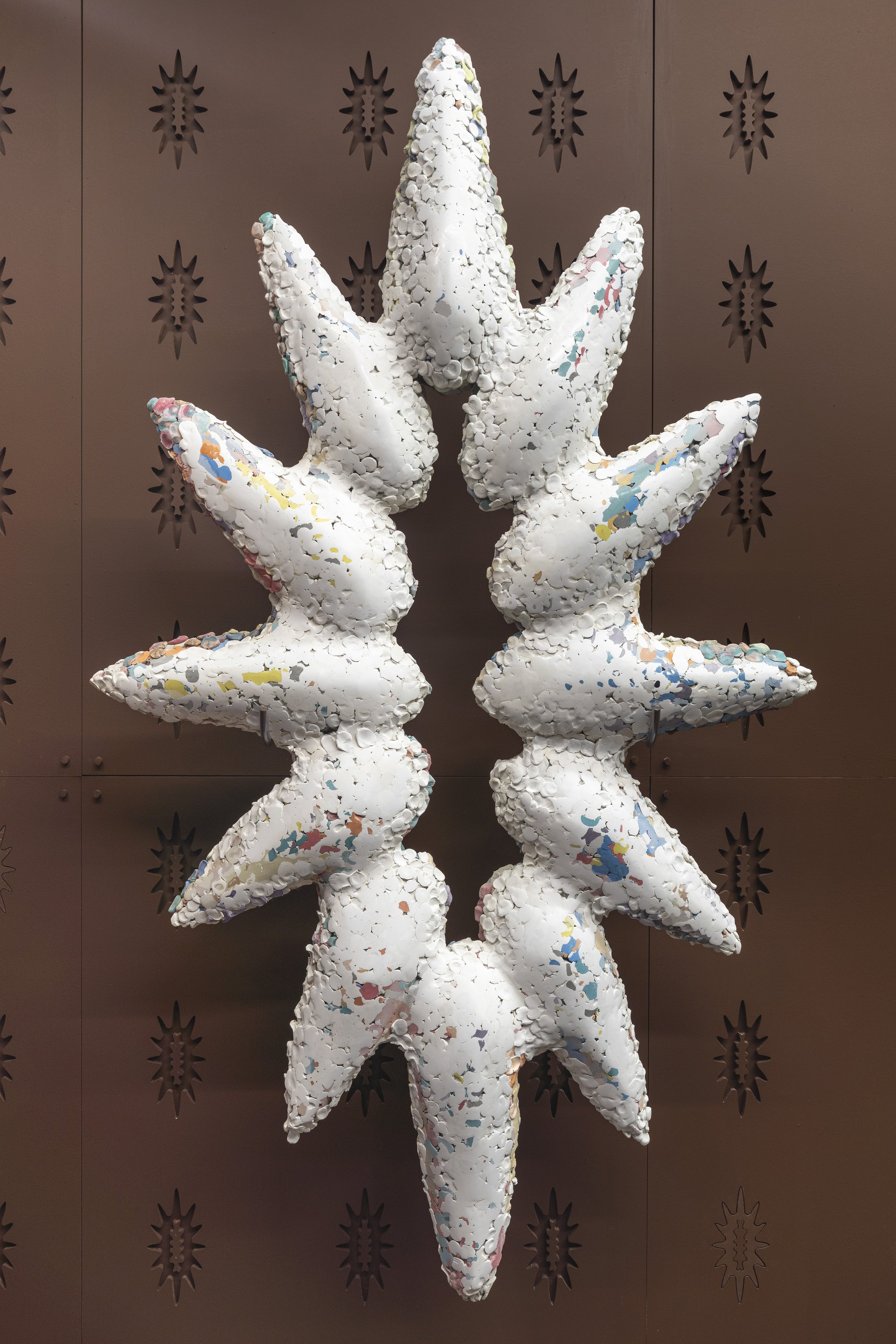
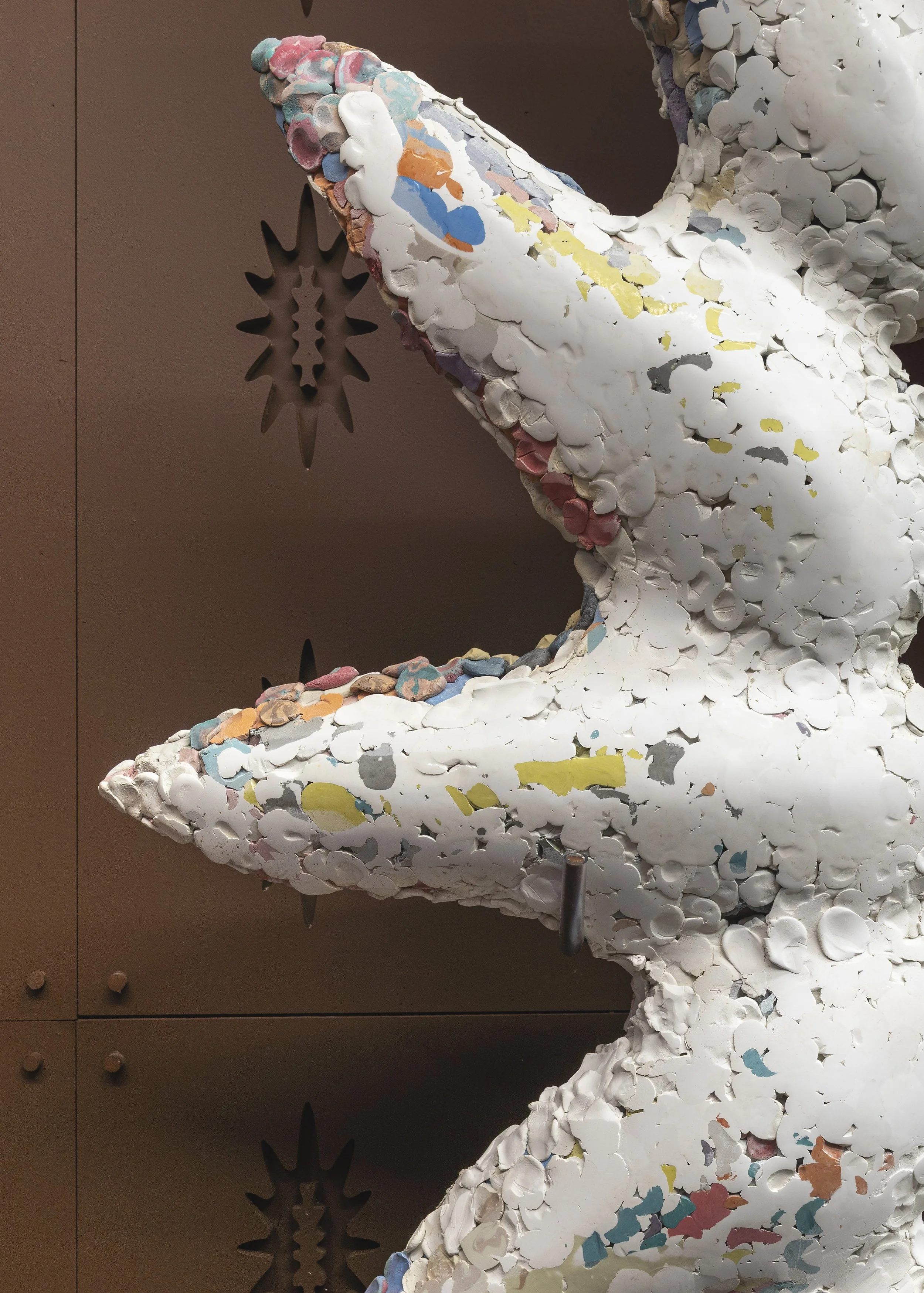
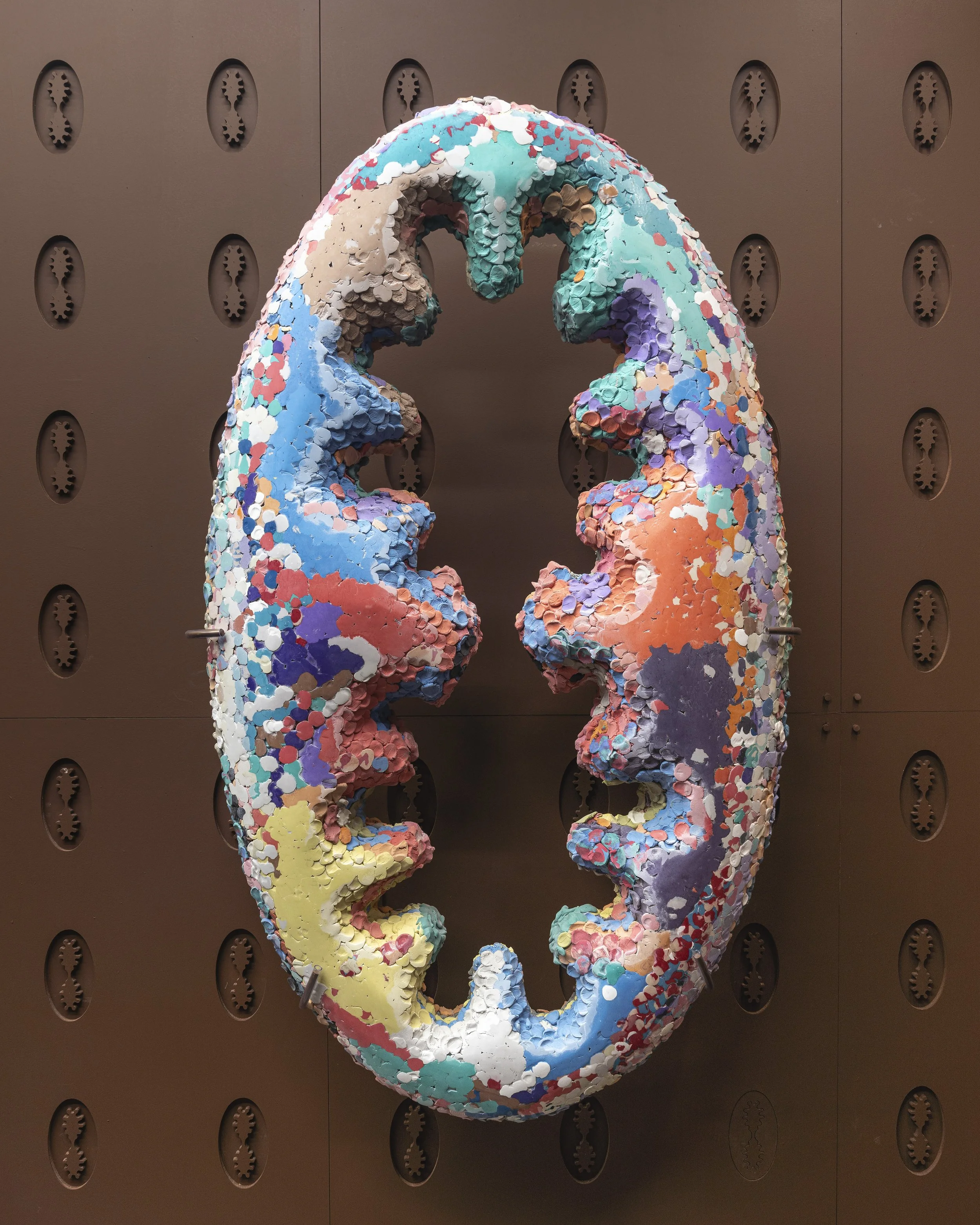
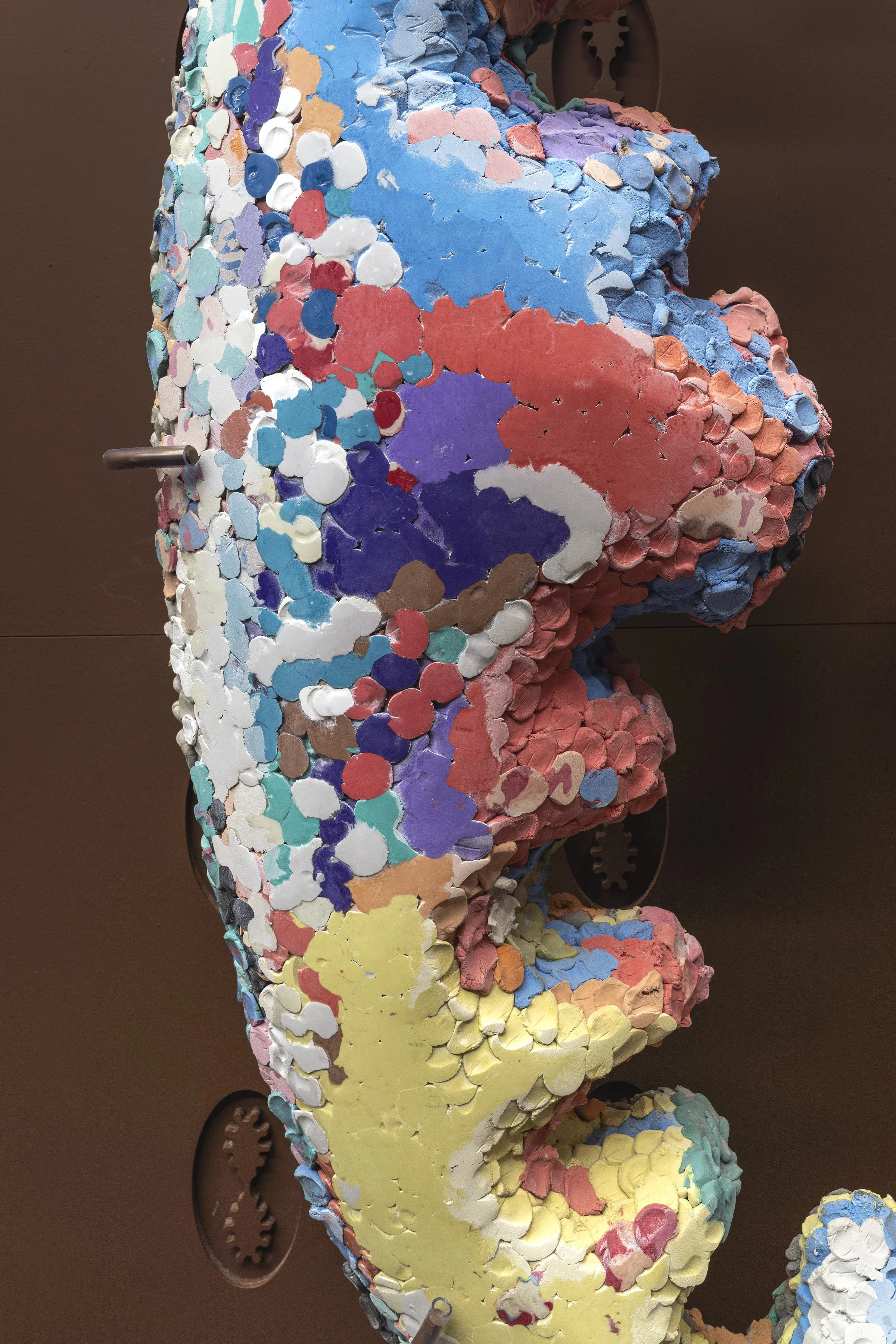
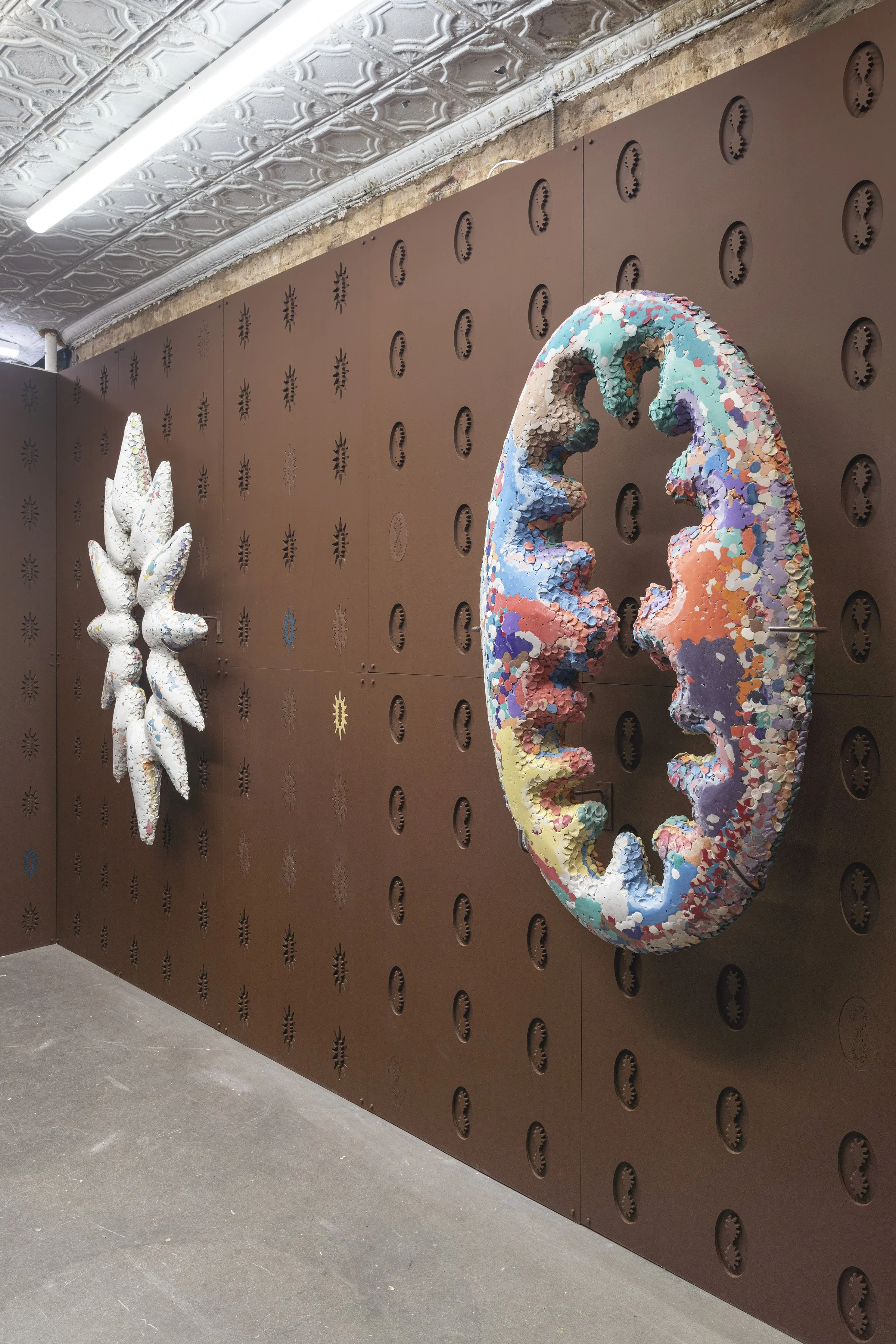
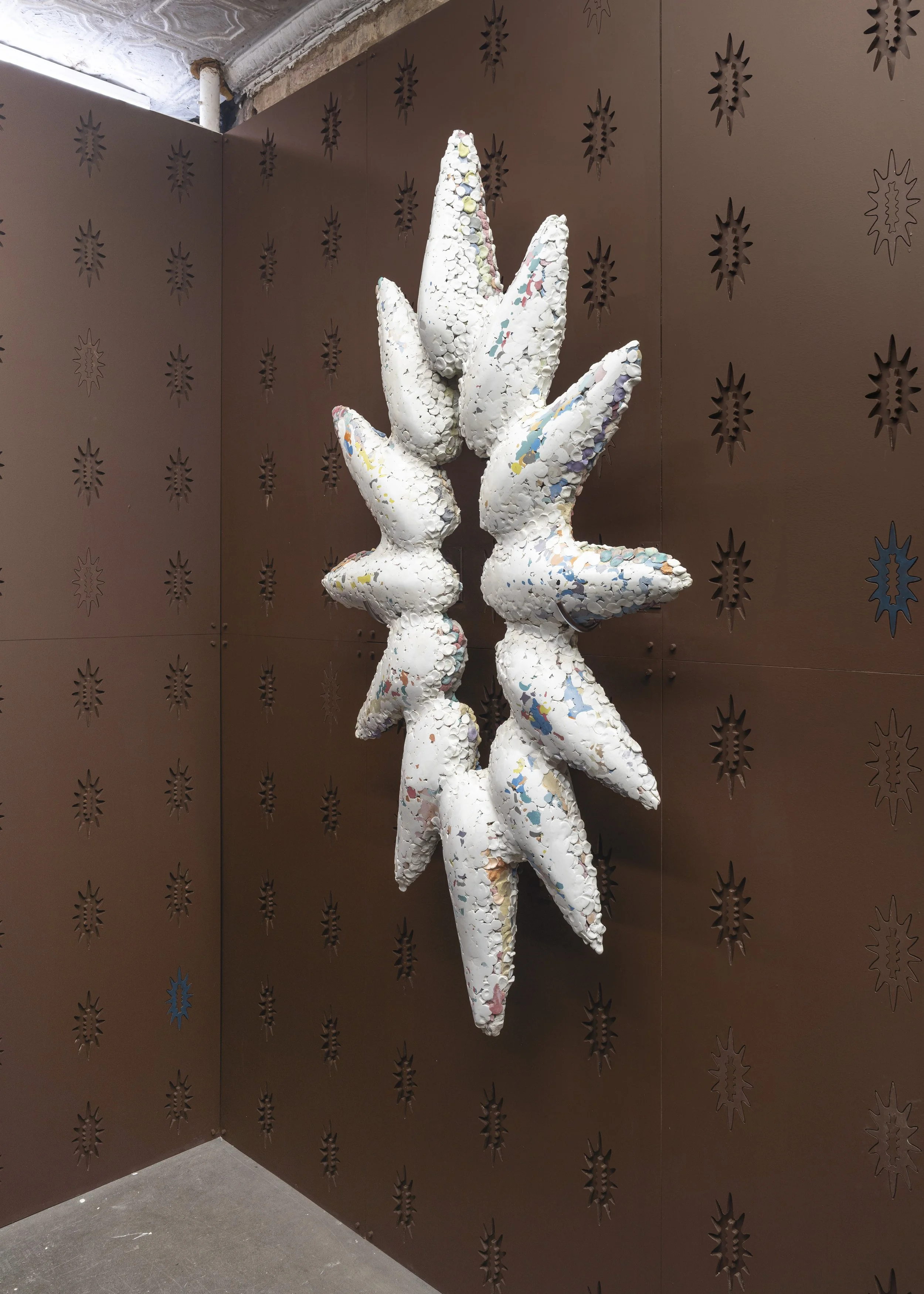
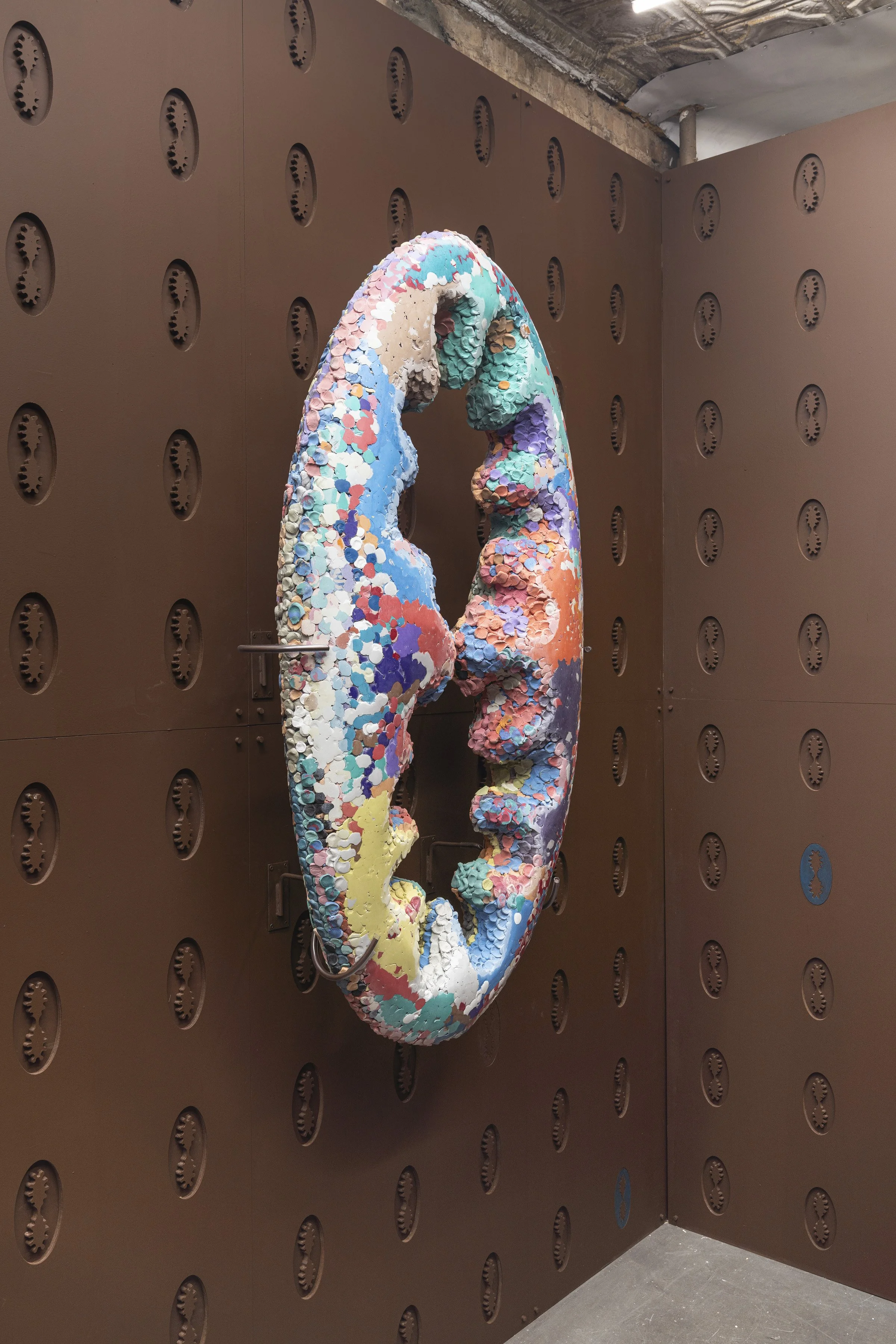
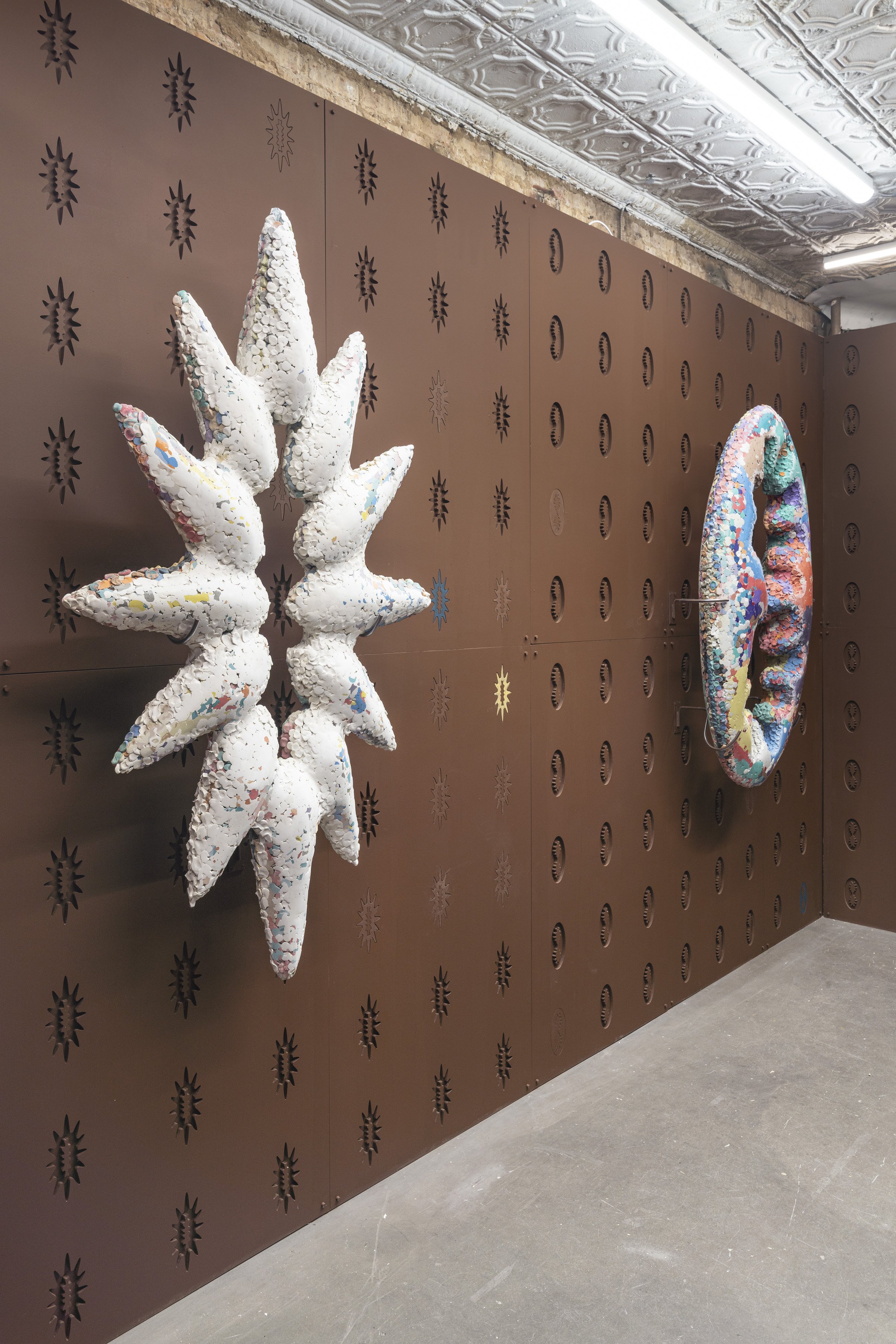
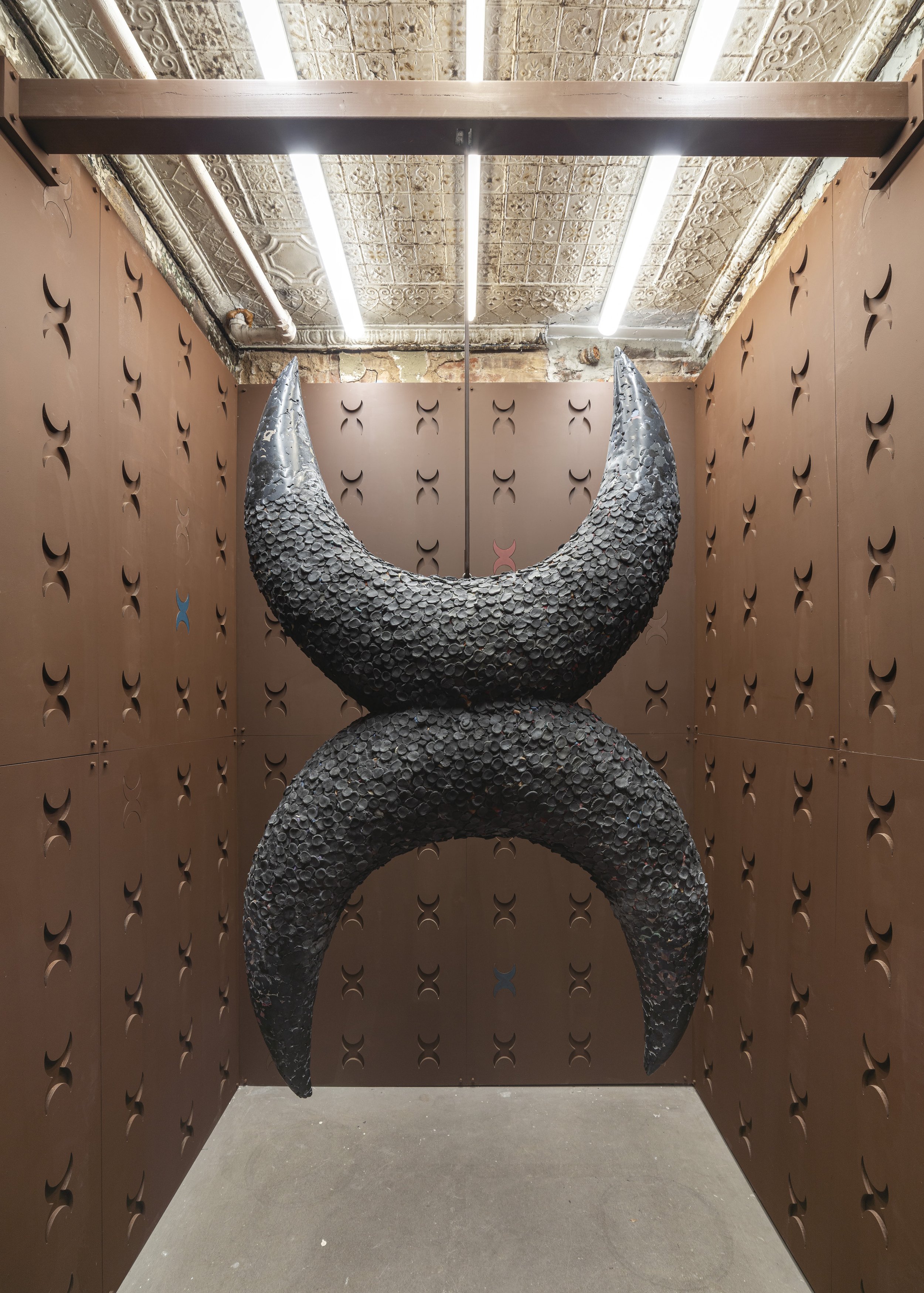
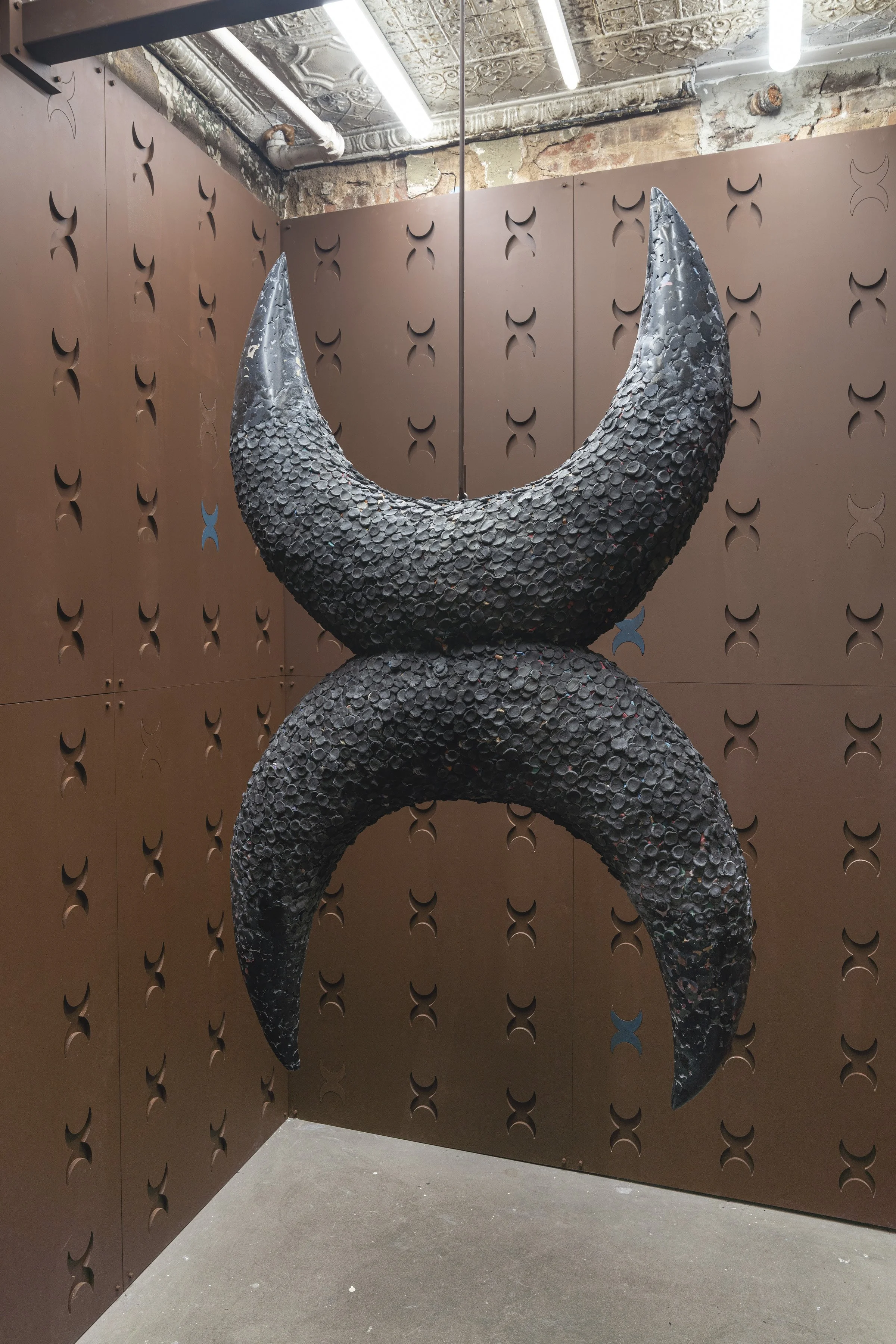
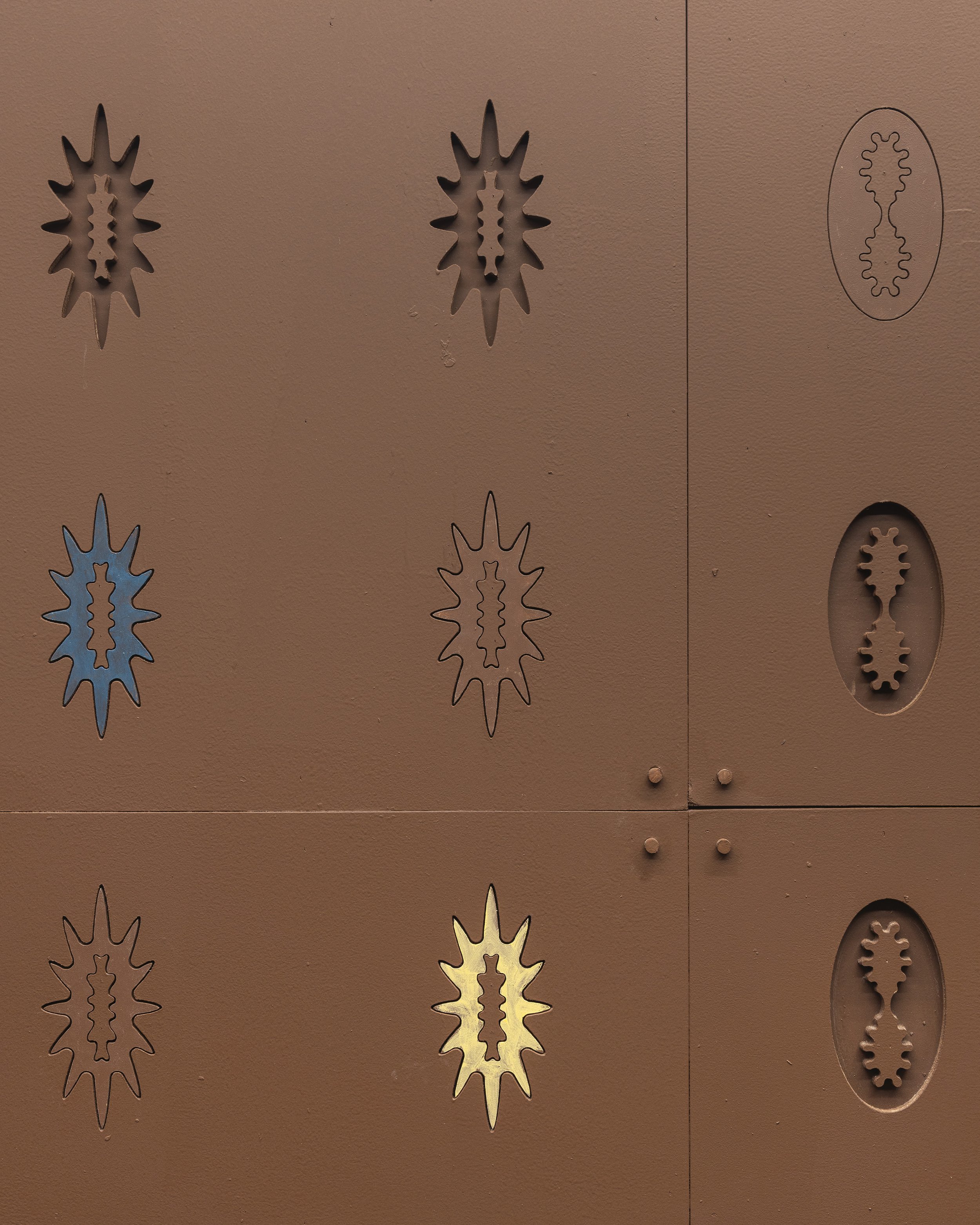
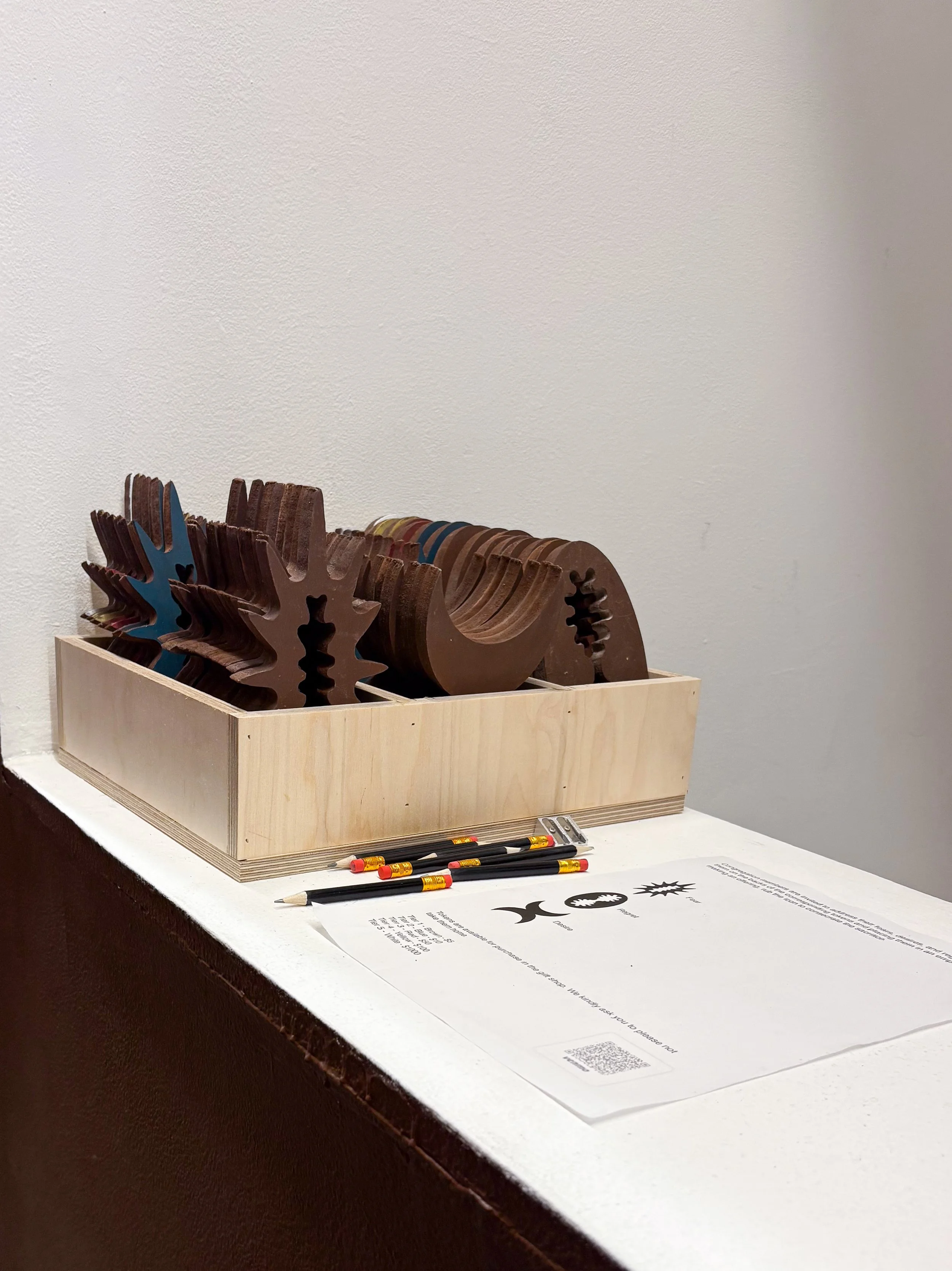
The exhibition space is designed to feel like entering someone’s apartment — someone who has lived, lives, or will live in New York City. The objects are so oddly personal that it can almost feel as if the person themselves is closing in on us, like a womb or the mouth of a predator. In contrast, my experience in Europe is that people’s apartments contain more shared objects, things found across many homes; living spaces are generally less hyper-personal, less shaped as singular “identity environments,” and more anchored in common, practical forms. In New York, however, interiors often appear as condensed autobiographies — environments where identity is not only expressed but intensified.

This raises a further question: is there such a thing as too much identity? When does a “personalization project” become a burden — an inducer of claustrophobia rather than a place of empowerment and liberation?

At one point during preparations for the exhibition, I found myself thinking about an IKEA fork. A fork that is just a fork — with less interpretation attached to it — can become a small form of psychological silence. In that sense, missing an IKEA fork is not nostalgia for unpersonal or meaningless practical objects, but a desire for moments in which the world stops reflecting you back at yourself.

This tension between over-determined identity and quiet neutrality also connects to the concept of “intra-action,” introduced by feminist theorist and physicist Karen Barad. Barad uses the term to describe how entities — human and non-human — emerge and materialize through mutual entanglement, rather than existing as pre-given entities that merely ‘interact.’

Seen through this lens, the careful design of self-definition — the continuous effort to become legible as a specific, authored identity — can itself become a form of distancing. The more precisely the self is shaped and curated, the more it risks solidifying into something that stands apart from its surroundings, rather than remaining porous to them. Identity can turn into a subtle architecture of separation. What gets lost is a more immediate relation — not only community, but a sense of shared condition or even oneness, where boundaries between self and world are less fixed. Identity is not something we simply have, but something that happens between things. When this entanglement is forgotten, identity risks becoming a closed system that produces alienation precisely in its attempt at clarity and control.

The exhibition brings together artists from very different backgrounds, generations, and points in their careers. In the space, and through their differences, the works strive to create meaning through one another, rather than simply standing side by side.

During my first conversation with artist Emilia Wang, who presents a work made in planned spontaneity for this exhibition, I realized how often people in New York ask each other: “Since when are you here?” or other grammatically more correct forms of this question. It is a practical question, but also a strangely existential one. By answering it, we reveal where we come from, what we left behind, what we hope for, and how long we have been wrestling with the elements.

This question of arrival and duration also resonates in the work of Sebastian Ore Blas. When I first encountered his paintings, I was struck by how much personality they carried within such a quiet mood. His nuanced attention to paint makes the work feel deeply personal, reminding me once again how endless our choices are in the smallest of details.

The same tension between precision and unpredictability appears in Cara Perlman's feature film about the U.S. Women Ski Jumping team, whom she followed between 2006–2009, alongside her most recent paintings. In the film's opening scene one of the women describes ski jumping as “so unique that I can't trace it back to anything, and I can't stop because it's different every time” — much like the experience of New York City to a wandering soul, where repetition never produces sameness. The anxious ode to New York City continues throughout Gibb Slife’s work, including one piece depicting the former Whitney Museum of American Art building with a slight tear in the left corner — a gesture open to countless interpretations, at once hopeful and nostalgic.

Robbin Ami Silverberg's books, much like Sebastian Ore Blas’s paintings, communicate their content through thoughtful detail, structure, and material. Her work Gilded Manhattan provides a map, literally and metaphorically, to the exhibition.

Alongside these artists are practitioners of my own generation, like Austrian-American painter Marco Miller, whose deeply personal commitment to Christian iconography continues to intrigue me, and Andi Magenheimer, whose work also reaches toward realms beyond the visible world.

I also invited close friends and mentors whom I encountered in New York and who, through their example of personal freedom, shaped my own personalization project. Chris Verene, Bernd Naber, and András Böröcz embody decades-long acts of self-invention. Despite the success of their projects, they have remained approachable and curious, which expresses something meaningful about both art and being an artist. 

This exhibition would not feel complete without the inclusion of my Hungarian colleagues, Hanna Szabó-Sáfrány and Bence Bánhidi-Rózsa. Their force and unabashed approach to making art has only become clearer from a distance. Every time I return home, I look forward to continuing the conversation with them. I now claim this community of Hungarian artists that my younger self once overlooked.

Bringing works from the old home into the new one has become a personal source of pride for me, as it has for so many people who live and work in this city. Helping each other cross oceans and borders is such a core human experience — one that makes me feel both deeply connected and alienated at the same time. To introduce one’s inherited culture and allow it to be transformed through encounters with otherness is a profound experience of civilization.

For an ending thought, let me say this: coexistence is meaningful in itself. As my mother says, “I am where I was going.” The simple fact that we share this space — with these works and with one another — already contains enough knowledge.

So please go on and forget what you just read. Treat it as an anecdote someone told you upon arriving or leaving. A conspiracy theory, perhaps — much like the idea that New York is a prison proudly built by its own prisoners.


—Diki Luckerson, Artist and Curator